
ADA Website Compliance That Protects Your Business and Builds Trust
Written By: Shane Clark on July 7, 2019
If your website excludes users with disabilities, you could face legal trouble and lose potential customers. ADA website compliance is more than a technical checklist. It directly affects your SEO performance, user experience, and brand credibility. Whether you’re a freelancer, agency, or business owner, learning the basics of accessibility standards like WCAG 2.0 helps you avoid lawsuits and improve your site for everyone.
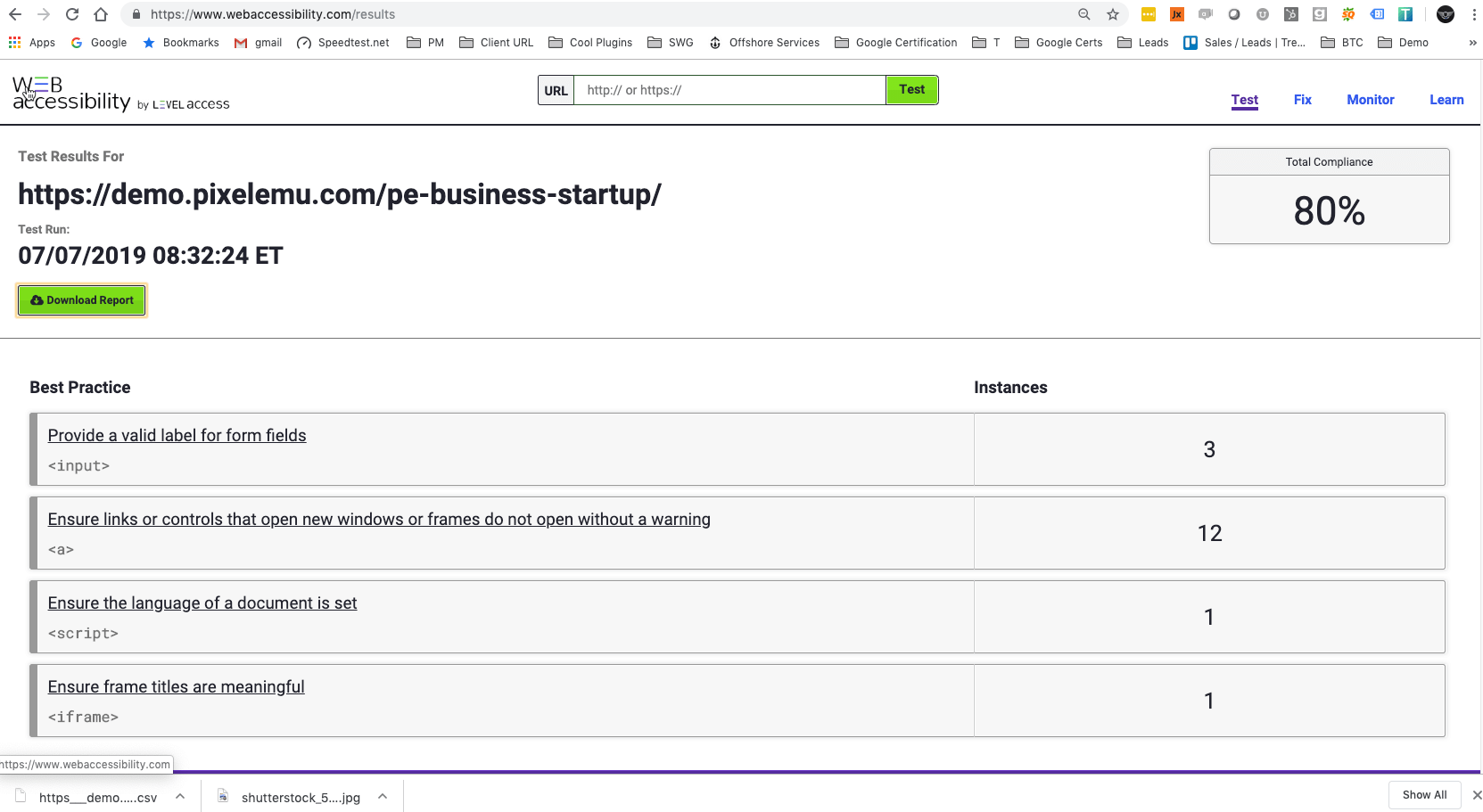
Legal cases and platforms like AChecker and Web Accessibility by Level Access highlight how serious compliance has become. If you plan to launch or redesign a site, use this guide to build an accessibility-first approach from the start.
How ADA Website Compliance Affects Your Business
Lawsuits related to website accessibility have surged in recent years and many cost more than the website itself. ADA website compliance now counts as a legal requirement under Title III of the Americans with Disabilities Act. Courts treat websites as public accommodations, especially after high-profile rulings like the Domino’s Pizza case.
Businesses using platforms like WordPress, Shopify, or Joomla still need to meet accessibility standards. When companies ignore compliance, they risk fines, legal settlements, and brand damage. Many now rely on teams with both legal and technical knowledge. If you’re working with Web Development or WordPress Developer professionals, ask how they approach accessibility from the start.
Why Most ADA Compliance Tools Do Not Go Far Enough
Browser plugins and free testing tools might flag issues, but they cannot guarantee full compliance. Accurate results require manual reviews by accessibility experts. Even themes that promote “ADA compliance” can break down once you add plugins or media.
In many cases, accessibility testing costs thousands. Tools like Online ADA or Compliance Sheriff by Cyxtera offer enterprise-level audits, but they go beyond what small businesses often need. If you’re building out campaigns with a Digital Marketing Expert, look for someone who can merge usability, compliance, and performance into a clear strategy.
The Truth About ADA Compliant WordPress Themes
An ADA-compliant theme does not guarantee an accessible website. Once you customize a layout or install plugins, your site might fall out of compliance. Even popular themes like Twenty Fourteen from WordPress.org need regular testing to stay on track.
Your design choices impact accessibility from the start. Missing image alt text, low contrast ratios, and poorly structured code all affect the user experience. Tools from sources like Deque University can help you make smart choices early. If you’re working with Web Design experts or hiring a WIX Development team, confirm that accessibility is part of their process not just a feature they mention.
Why ADA Website Compliance Is Not a One-Time Fix
Many businesses treat ADA compliance as a one-and-done task, but accessibility needs regular upkeep. Every time you update a plugin, publish a blog post, or adjust your layout, you could introduce new issues. Without a consistent review process, even well-built websites can fall short.
You can prevent this by scheduling regular audits and building habits around accessible content. Adding alt tags, structuring headers properly, and limiting clutter all support compliance. Businesses that work with an Organic SEO Expert usually benefit from these same best practices, which support both search visibility and accessibility.
Reduce Legal Risk With Smart ADA Strategies
You do not need a six-figure budget to improve compliance. Adding an accessibility statement to your site shows good faith and invites users to give feedback. This step can discourage “drive-by lawsuits,” where attorneys target small businesses hoping for a quick payout.
Legal professionals recommend building ADA compliance into your project from day one. When your Ecommerce Development team or Google Ads Expert bakes accessibility into the design, the result works better for everyone and lowers your legal risk. You can also document the tools and standards you follow, such as WCAG 2.0 AA or Section 508, as proof of your effort.
Design With Accessibility in Mind
Good accessibility starts with smart design. Users with visual impairments might struggle with low-contrast layouts or crowded navigation. Use contrast ratios that meet or exceed WCAG guidelines. Small text should have at least a 4.5:1 contrast ratio with the background.
Designers can test contrast during the mockup stage using tools from Deque University. Avoid relying only on color to convey meaning, and make sure your layout adapts well on mobile. If you’re working with a Shopify Developer or BigCommerce expert, ask them how they handle accessibility from the beginning. That step alone can save hours later in testing and revision.
Let’s Talk About Your Project
If you want to work with a team that gets the details right and offers full support before and after launch, we’re here to help. Whether your project is small or complex, our team at ShaneWebGuy can guide you from the first meeting to the final result.
Website: https://shanewebguy.com
Phone: +1 (408) 915-5077
